Skip to Content

- Need Help? Call 01384 424232 or

- Email enquiries@anvils.co.uk
 My Account
 Contact Us


-
 All Major Cards Accepted on our website
-
 Products Manufactured in the UK
-
 Express Delivery Available
Trolley & barrow wheels
Whether you're repairing or upgrading your barrows and trolleys, we've got a great selection of hard-wearing and heavy-duty trolley wheels - guaranteed to keep you rolling smoothly and safely. A good quality wheel makes all the difference when you're moving heavy objects, bulky products, and boxes of stock. They improve handling, reduce strain, and boost efficiency. There's a wheel for every job and trolley; read on to find out which one is right for you.

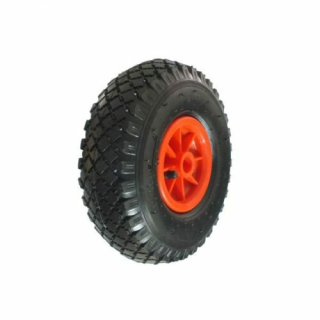
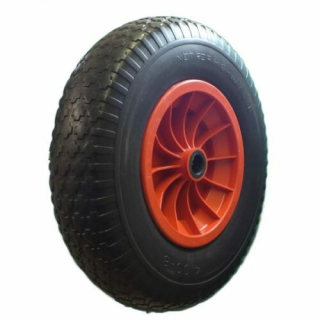
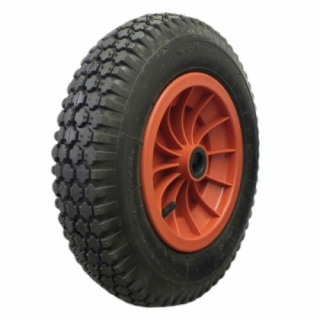
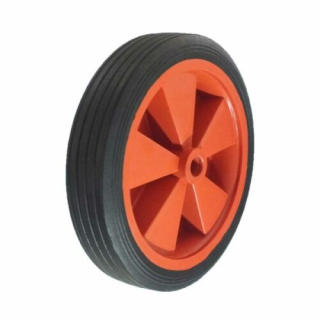
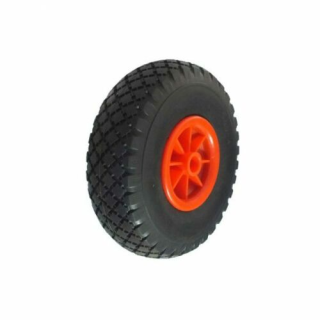

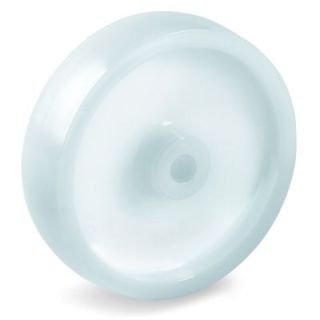
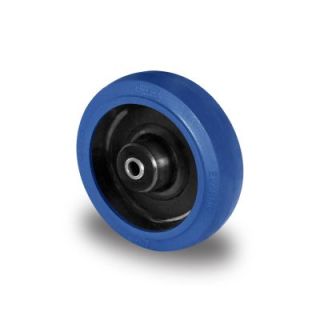
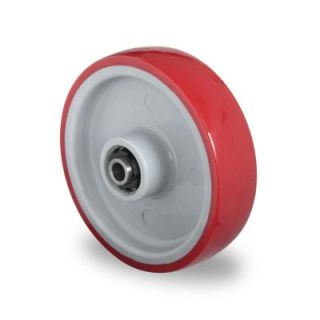
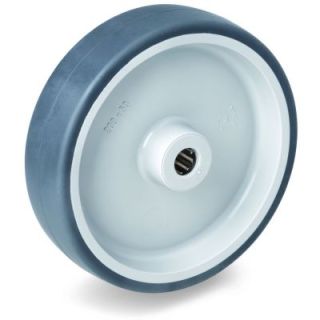
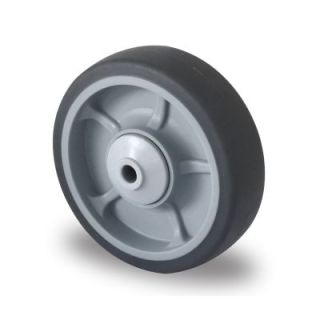

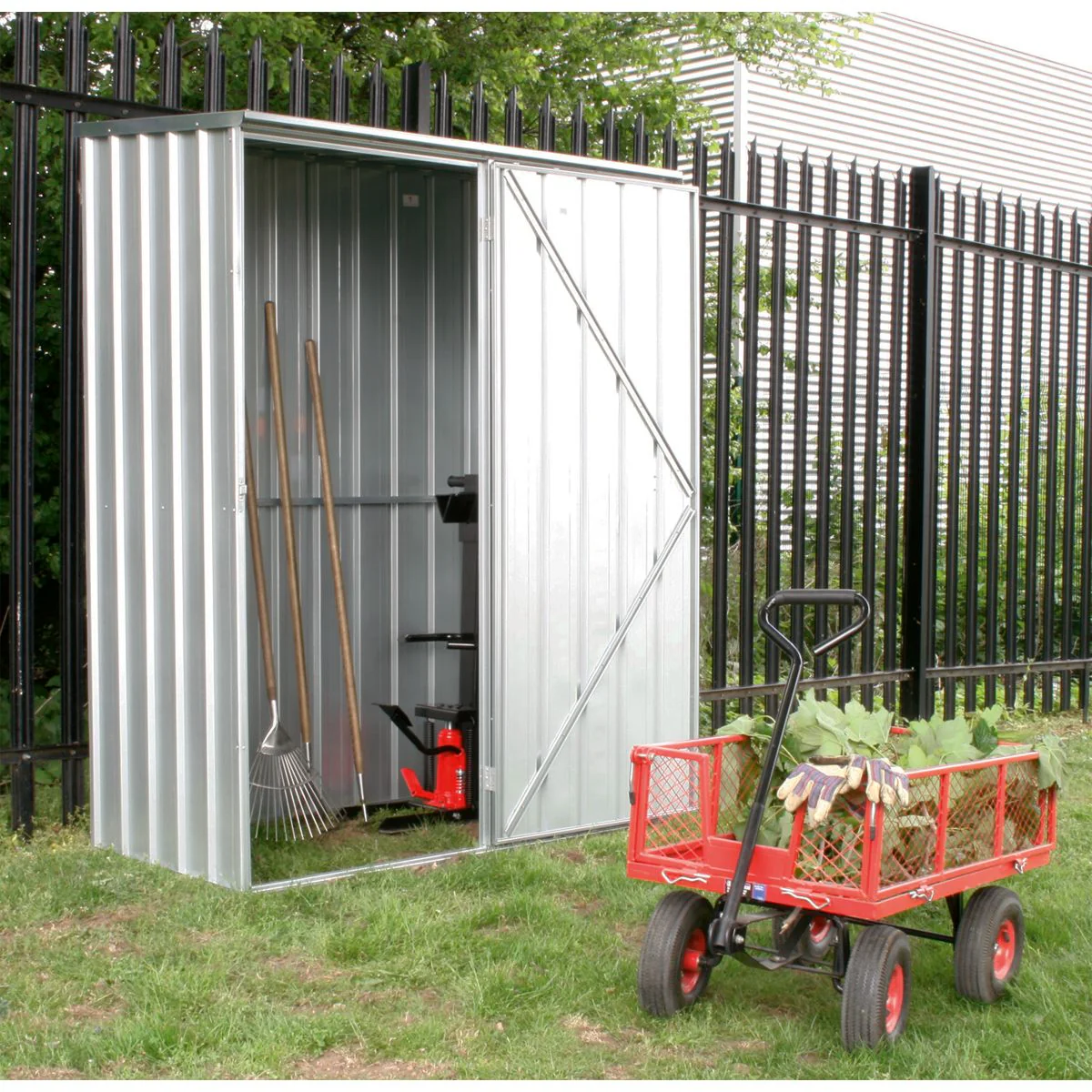
What our range of replacement barrow wheels are used for
The role of the humble trolley wheel is too often taken for granted. They're a vital component of all trolleys, barrows, and cages, or any other rolling kit used to move heavy loads, awkward boxes, and bulky stock around garden centres, nurseries, farms, and warehouses. Barrow and trolley wheels come in a range of robust materials - each designed for specific applications, environments, and surfaces. Rubber wheels, for example, are ideal for uneven, outdoor surfaces, as they're far less likely to slide, whereas nylon wheels work better on hard, smooth indoor floors.
The benefits of using the right trolley wheels
Simply put, the right trolley wheel makes the job easier. Your trolleys and barrows will move far more smoothly with the right wheel, making tricky jobs feel effortless and kinder on your body.
But what makes the right wheel? The perfect trolley wheel boils down to size and material. To withstand heavy loads, it needs the right load capacity, and to run smoothly, you need to know which surfaces they'll be rolling on.
The importance of replacing worn-out trolley wheels
You know the difference between a new and well-worn trolley wheel: each load feels heavier, your barrow jerks around, and getting from A to B with awkward and heavy loads becomes far harder work than it needs to be.
The right wheel doesn't just make life easier - it makes it safer, too. Take all those surprise jerks and jams out of the job, and you and your workers will be less prone to twists and injuries. Not only that, but you'll see far less damage to your stock.
For example, the right wheel can improve rolling efficiency by up to 30% - that's 30% less pressure on your wrists, knees, and back, and 30% more energy you might have left at the end of the day.
Different types of trolley wheels and castors
Barrow wheels
Typically pneumatic or solid rubber wheels, they're great shock absorbers, so perfect for rolling over uneven surfaces with delicate, bulky loads like furniture, sacks, and heavy equipment. While solid rubber barrow wheels don't roll as smoothly as pneumatic options, they're puncture-proof, so they don't lose air and performance.
Trolley wheels
For flatbed trolleys, stock carts, and nursery cages, exploring the surface type and load capacity is essential for finding the right wheel. Rubber, polyurethane, or nylon, they all have their place depending on where and what they're moving.
Castors (or castor wheels)
Castors come as swivel or fixed units, either free-rolling or with brakes. They make tight turns and secure parking a breeze, making them perfect for stock carts and Danish trolleys.
Rubber wheels
Rubber wheels are grippy and great shock absorbers. Rubber wheels with a deep tread are perfect for outdoor use, soft ground, and uneven paths.
Nylon wheels
Nylon is hard, durable, and chemical-resistant. They're incredibly tough, but their dense, solid composition means they're more suitable for smooth, solid floors like concrete and wood. A larger diameter wheel may handle uneven surfaces better. A quality nylon wheel with a sealed bearing will have a far smoother, longer-lasting lifespan.
Polyurethane wheels
A wheel-type that slots somewhere between nylon and rubber. It provides a slight cushion with low rolling resistance.
Steel or cast-iron wheels
The hardest and heaviest duty wheels. They're used most often in demanding agricultural and industrial environments.
FAQs
What’s the difference between a wheel and a castor?
A wheel is just the wheel; a castor includes the housing that holds the wheel and allows it to swivel or stay fixed.
Are pneumatic barrow wheels better than solid wheels?
Both are built to do different jobs: Pneumatic wheels offer better shock absorption (ideal for wheelbarrows), whereas solid wheels are puncture-proof and low-maintenance.
How do I know the load capacity I need?
Check the heaviest load your equipment needs to carry (including the trolley), then choose a set of wheels or axles that are rated to carry more than that weight. Larger wheels handle heavier loads better. Please note that wheel loads are estimated at walking speed. Higher speeds generate more force and add to the load.
Are puncture-proof barrow wheels worth it?
In thorny, rough environments, puncture-proof wheels will pay for themselves over and over.
How long do trolley wheels typically last?
It depends on use and surface type, but quality wheels offer outstanding durability, lasting years with proper care.