Skip to Content

- Need Help? Call 01384 424232 or

- Email enquiries@anvils.co.uk
 My Account
 Contact Us


-
 All Major Cards Accepted on our website
-
 Products Manufactured in the UK
-
 Express Delivery Available
Pneumatic Trolley Wheels
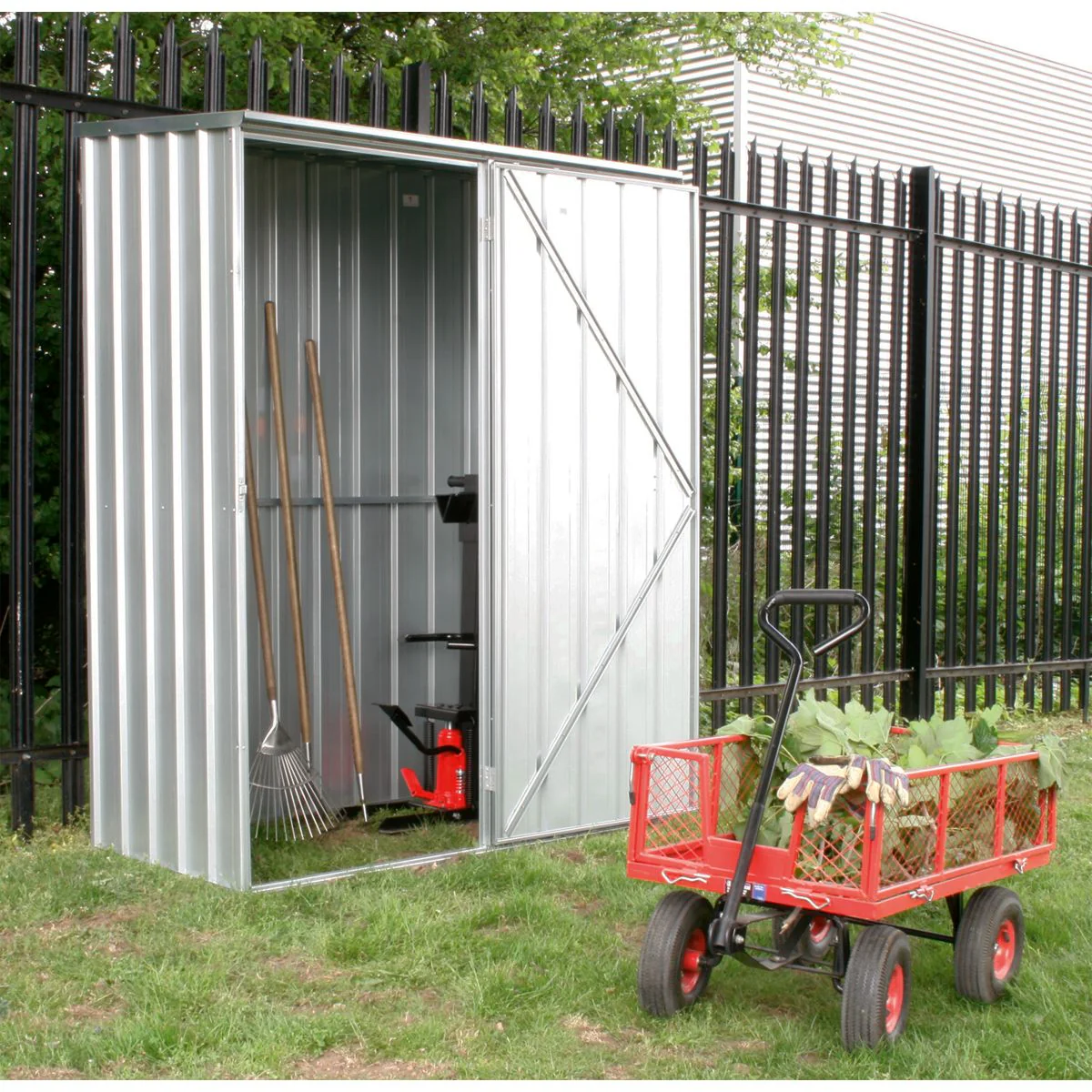
For moving delicate or heavy loads over uneven surfaces, pneumatic wheels are hard to beat. With the natural cushioning a pneumatic tyre provides, barrows, trolleys, sack trucks, mobile planters, and harvesting benches move smoothly and effortlessly, transporting valuable plants and bulky products around garden centres, nurseries, farms, and building sites. With their high load capacity, they're the best natural shock absorbers on the market, and with larger wheel profiles, they're built to handle the roughest environments.

Why are pneumatic wheels so good for heavy loads?
When they developed pneumatic tyres for bicycles in the 1800s and, a little later, for cars, to provide a smoother, safer experience for passengers, they probably didn't realise just how far that idea would spread. Fitting inflated rubber tyres onto plastic or metal wheels with a suitable bearing is still a game-changer today.
For moving heavy, bulky, or delicate plants, tools, or bags of compost across gravel, soil, or even stone roads, sandy beaches, and worn concrete surfaces, they compress over bumps and ridges and sink softly into ruts and potholes, keeping every load protected, safe, and secure. Indoors or outdoors, these versatile, durable, and strong wheels are perfect for a wide range of industrial environments.
The benefits of using pneumatic wheels
The versatility of air-filled wheels
Pneumatic wheels are used everywhere - so much so, we probably wouldn't have enough room to list all their uses. Our replacement pneumatic trolley wheels are perfect for your hand trucks and trolleys - and they're also a great option for swivel castors. Equipped with roller bearings, they'll ride smoother for longer, over whatever uneven terrain you need them to.
Customer, worker, and stock protection
With less bumping, bouncing and jerking, they provide the ideal customer and worker experience, reducing twists, jars, and shocks, and injuries to backs, arms, and wrists.
Durability
Mounted on sturdy plastic or metal wheels, with smooth-running roller bearings, a quality pneumatic wheel will provide years of trouble-free operation - in some cases, as long as the trolleys they're running on.
Minimal maintenance
Most pneumatic wheels require very little maintenance, and some don't need any at all. A little light cleaning and lubrication should keep all types running smoothly for years.
The difference a patterned tyre tread makes
Just as you wouldn't fit the same tyres to a Ferrari as you would a Land Rover, pneumatic trolley tyre treads matter. Smoother, simpler patterns are better suited to hard, even surfaces in warehouse and retail centres, where deep, chunky treads are just what you need for wet grass, mud, sand, and gravel.
Types of pneumatic wheels
Standard pneumatic wheels
Standard pneumatic wheels are ideal for most light to medium-duty trolleys and barrows. They're a common option for warehouses and retail centres.
Heavy-duty pneumatic wheels
With reinforced sidewall tyres and stronger hubs with extended hub lengths, heavy-duty pneumatic wheels are designed for heavy loads and large objects. You'll find them on agricultural carts, heavy plant trolleys, industrial warehouse trolleys, and boat and vehicle trailers.
Pneumatic castor wheels
Adding swivel castors to pneumatic wheels enhances their manoeuvrability while retaining excellent shock absorption - all in a single unit.
Puncture-proof pneumatic tyres
While they're not strictly pneumatic, puncture-proof wheels are filled with foam or rubber to mimic air-filled tyres without the risk of punctures from thorns, nails, sharp stones, or scrap metal. A perfect solution for scrap yards, building and demolition sites.
FAQs
How do I determine the load capacity of my pneumatic wheels?
The manufacturer's load capacity is per wheel, not for the whole trolley, so for two-wheeled trolleys, simply multiply the capacity by 2. For four-wheeled trolleys, it's a little more complicated. Work on the fact that at any given time, your trolley might only have three wheels in contact with the ground, so your trolley's capacity is three times the individual wheel's capacity. For soft ground, reduce the manufacturer's load rating by 10–20% to account for rolling resistance and tyre compression.
What size pneumatic wheels should I choose?
If you're replacing old wheels, matching size for size is your best bet. For new trolleys, larger diameter wheels roll more smoothly over rough surfaces.
Do I need pneumatic or solid rubber wheels?
Pneumatic wheels are better over uneven surfaces and rough terrain; solid rubber is usually a better option for moving heavy loads around indoor spaces with solid, flat floors.
What happens if my pneumatic wheels get a puncture or go flat?
Just like your car or bicycle, punctures are easily repaired, and a flat tyre is soon inflated again with a quick pumping.