Skip to Content

- Need Help? Call 01384 424232 or

- Email enquiries@anvils.co.uk
 My Account
 Contact Us


-
 All Major Cards Accepted on our website
-
 Products Manufactured in the UK
-
 Express Delivery Available
Rubber Trolley Wheels
Rubber wheels are reliable, grippy, and hard-wearing, making them an ideal solution for hard-working trollies, barrows, and rolling benches. Providing natural shock absorption, solid rubber castor wheels sail over uneven ground and gravel paths found in garden centres and nurseries with ease. For more industrial applications, larger wheels with a higher load capacity and thicker, patterned treads provide an extra level of performance over the most uneven ground found in farmyards, barns, and polytunnels.

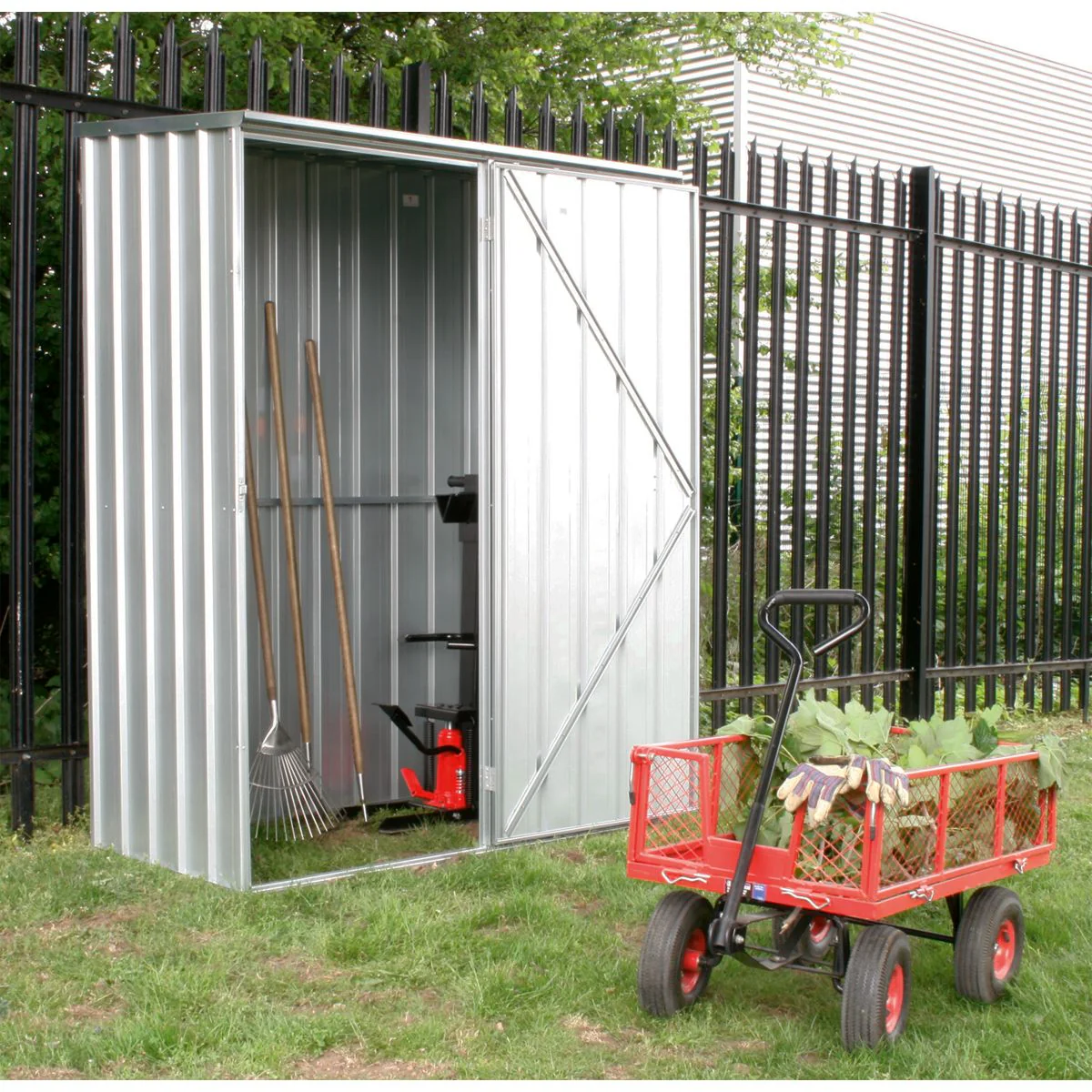
Why choose rubber trolley wheels
Rubber wheels are a perfect match for industrial equipment. They're incredibly durable, withstand heavy loads, and make moving stock and equipment smooth and simple. Suitable for use in agricultural, retail, or domestic environments, they're a perfect fit for nursery and garden centre stock, harvesting carts, and tree-moving trolleys; they're also ideal for sack barrows, flatbeds and wheelbarrows, small trailers, pallet trucks, display, and maintenance carts.
Rubber wheels are commonplace in castor housings. Rubber castor wheels tend to run more smoothly than nylon or polyurethane wheels. In castor units, they maintain straight line performance in fixed brackets that run in one direction, and the tight control and manoeuvrability that you expect from castor swivel fittings. While they often match the excellent load-bearing capacity of other castor wheels, they offer a range of advantages over other materials.
The benefits of different types of rubber wheels
Low maintenance and heavy-duty
There isn't much that can go wrong with solid rubber wheels. With a little care and attention, along with occasional cleaning and lubrication, you'll get years of trouble-free service from these robust wheels. Unlike their pneumatic counterparts, they're puncture-proof and resistant to sharp objects, so there's no need to monitor tyre pressures or repair innertubes.
Noise reduction
Rubber is a soft and elastic material. Unlike other castors and replacement wheels made from harder materials (such as polyurethane or nylon wheels), they offer greater shock absorption, resulting in a quiet, smooth-rolling experience.
Comfort and safety
Reducing vibrations and bounce delivers a smoother, more comfortable ride. A larger wheel diameter is one way of delivering a smoother ride - using rubber wheels is another. Comfort doesn't just provide a better experience for your customers or workers; it improves efficiency while reducing the number of sprains, twists, and other injuries caused by bumping and bouncing trolleys. They also protect delicate products from damage, including plants, shrubs, and produce - protecting your bottom line, too.
Grip
Rubber is soft and malleable, so it provides a natural grip on smooth and uneven surfaces. For the most testing surfaces - bumpy, uneven paths and lanes, or dirty gravel and stone yards - a patterned tread provides even more of the grip you need.
Winter-proof
Another advantage is that rubber isn't affected by the cold. Some plastics become more brittle as temperatures drop, while rubber wheels maintain their exceptional flexibility. This makes them perfect for year-round use, even during cold British winters.
Protection for floors
Again, being softer than other castors, rubber wheels prevent the scratches, scuffs, and other damage to wood or soft floorings that harder materials often cause.
FAQs
How long do solid rubber wheels last?
If you choose wheels that match your trolley's load capacity, a quality rubber wheel will last for years - often as long as the trolley itself. Our range of replacement and spare wheels covers options for every eventuality.
Are rubber castor wheels better than plastic or metal ones?
Different types of wheels and materials are suited to specific tasks. Nylon and plastic wheels might roll faster than rubber wheels and offer better chemical resistance, but they're not as good on bumpy ground. Metal wheels are incredibly strong but can scratch and crack certain floor types, whereas rubber doesn't.
How good are rubber wheels in wet conditions?
Some of the best! Rubber wheels are less prone to slipping and sliding in the wet. For the wettest conditions, a solid rubber wheel with a patterned tread is hard to beat.
Are replacement rubber wheels easy to fit?
Most replacements are straightforward, as long as you buy castors that match the brackets, plates, and fixings of your current set.